You Can Actually Turn Back the Clock (Sort Of)
Biological age isn’t fixed. Unlike your birthday, which marches forward relentlessly, your biological age can move in both directions. A 2021 trial showed participants reversing biological age by 3.23 years in just 8 weeks. Another study from Duke tracked aging rates in young adults and found dramatic variation based on modifiable factors.
The science is clear: how you live affects how fast you age. Here are the interventions with the strongest evidence.
1. Move Your Body — But the Type Matters
Exercise is the single most powerful anti-aging intervention. Period. But not all exercise ages equally:
- Zone 2 cardio (conversational pace) for 150–180 minutes per week improves mitochondrial function
- Resistance training 2–3 times per week — muscle mass is one of the strongest longevity predictors in older adults
- High-intensity intervals 1–2 times per week — a Mayo Clinic study found HIIT reversed age-related gene expression changes in muscle cells
The sweet spot: ~7,500 steps daily plus 2–3 structured sessions per week.
2. Fix Your Sleep
You can eat perfectly and exercise daily, but 5 hours of sleep will age you faster. Sleep is when DNA repair, brain waste clearance, and hormonal regulation happen. Target: 7–9 hours of actual sleep with consistent timing. A regular schedule is associated with slower biological aging independent of total duration.
3. Eat More Plants
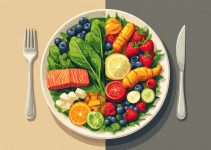
Mediterranean and plant-heavy diets consistently associate with slower aging. You don’t need to go vegan. Focus on dramatically increasing vegetables, fruits, legumes, and nuts while cutting ultra-processed food. The single biggest dietary change: cut ultra-processed food intake in half. Each daily serving is associated with a 4% increase in all-cause mortality risk.
4. Manage Chronic Stress
Acute stress is fine. Chronic stress kills. Sustained cortisol damages telomeres, promotes inflammation, and impairs immune function. Evidence-backed interventions: meditation (8 weeks reduces inflammatory markers), time in nature (2 hours per week), strong social connections (loneliness is as harmful as smoking 15 cigarettes daily).
5. Build Social Connections
Loneliness accelerates biological aging at rates comparable to smoking. A 2023 Nature study found loneliness was associated with accelerated epigenetic aging even after controlling for all other lifestyle factors. Quality over quantity — 3–5 close relationships appear to be the threshold for meaningful protection.
6. Stop Smoking
Smoking accelerates biological age by 4–10 years. Within 5 years of quitting, cardiovascular risk drops substantially. Within 10–15 years, many biomarkers approach never-smoker levels. No hedging here — this is non-negotiable.
7. Moderate or Eliminate Alcohol
Recent meta-analyses (including one with nearly 5 million participants) suggest no safe level for overall health. Even moderate drinking associates with faster epigenetic aging. Cutting from 14 drinks per week to 3–4 produces measurable improvements in liver function, inflammation, and sleep within weeks.
8. Maintain Healthy Weight
Visceral fat (belly fat) drives chronic inflammation. Waist circumference matters more than BMI: under 40 inches for men, 35 for women. Even 5–10% weight loss, if carrying excess, produces measurable reductions in inflammatory markers.
9. Challenge Your Brain
Learning new skills, solving novel problems, playing instruments, learning languages — anything that forces active cognitive engagement. Passive entertainment doesn’t count. Think resistance training for your brain.
10. Monitor Inflammation
“Inflammaging” is increasingly recognized as a central driver of biological aging. Ask your doctor to check high-sensitivity CRP: under 1 mg/L is ideal, 1–3 is moderate risk, above 3 indicates significant inflammation actively accelerating aging. Most strategies above — exercise, sleep, diet, weight management, stress reduction — lower inflammation. They’re all connected.
Frequently Asked Questions
How quickly can you lower biological age?
Measurable changes in as little as 8 weeks, based on clinical trial data. Most people see continued improvement over 6–12 months with sustained lifestyle changes.
Do supplements help?
Some show promise (vitamin D if deficient, omega-3s, possibly NMN/NR) but none match lifestyle interventions. Get the fundamentals right first. Supplements are at best a 5% addition to the 95% that lifestyle provides.
Is it ever too late?
No. Studies demonstrate improvements in participants in their 70s and 80s. Starting resistance training at 75 still builds muscle. Quitting smoking at 65 still reduces cardiovascular risk. The best time to start was twenty years ago. The second-best time is today.